More Body


There's no need for me to tell you that artificial intelligence is reshaping the way people write. The internet is flooded with its synthetic prose. Its patterns can even seep into our own writing, if we're not paying attention.
Large language models (I'll just call them the "machines") were trained on stolen literature written by humans. This means that many of the tells of machine writing—the rule of threes, negative parallelisms—are also human ways of writing. And the machines are trained to adapt quickly and root out their own stylistic tics. We need to stay ahead of the machines. One way I think we do this is by looking to the natural world for inspiration in expression, structure, and process. Another is by bringing our animal bodies to our writing.
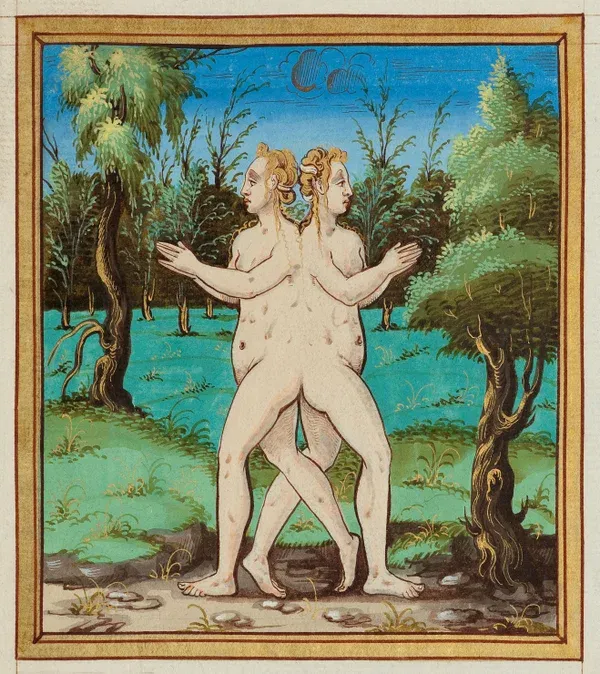
What I mean is that you have something the machines do not have: a pumping heart and warm, salty blood. Soft fuzz on your belly, blue veins in your wrists, skin that sheds thirty thousand cells every single minute. We are not language models churning out manufactured text. We are of Class Mammalia, our guts churning as tiny fingers (which I just learned are called villi) absorb nutrients into our bloodstreams. Do the machines have villi? I don't think so. Our bodies have billions of nerve cells and metabolisms and microbiomes and emotions. The machines want what we have. But they'll never be animals like we are. So they'll never truly be able to write like we can. They can imitate to the perfect degree and they still won't have what we have.
So, here's what I want you to do this week. Spend an hour, or a day if you can, not reading a single word on the internet. Instead, spend that time reading your body. Run your fingers across the skin of your palm and notice the sound. Look at your feet and think about the 52 bones, 8,000 nerves and 125,000 sweat glands in each of them (and read this exquisite essay, "St John the Wondermaker" by Rebecca Williams for a lesson on how to write about the human body). Observe, and be in, your body. And write down what you notice, what you wonder about, what is fascinating or frightening to you. Don't worry about writing nice sentences or metaphors or any of that. Just write your plain observations of what you see and feel—both as the seer and toucher, and as the one being seen and touched.
In my nature writing MFA, my cohort and instructors were often telling one another to write with "more body". I still need to remind myself of this all the time. I want you to start reminding yourself, too. You have a soft mammal body—flesh wrapped around bones and organs and covered in skin. Write with it. To write with it, you must know it and see it. So try that. And let me know how it goes.